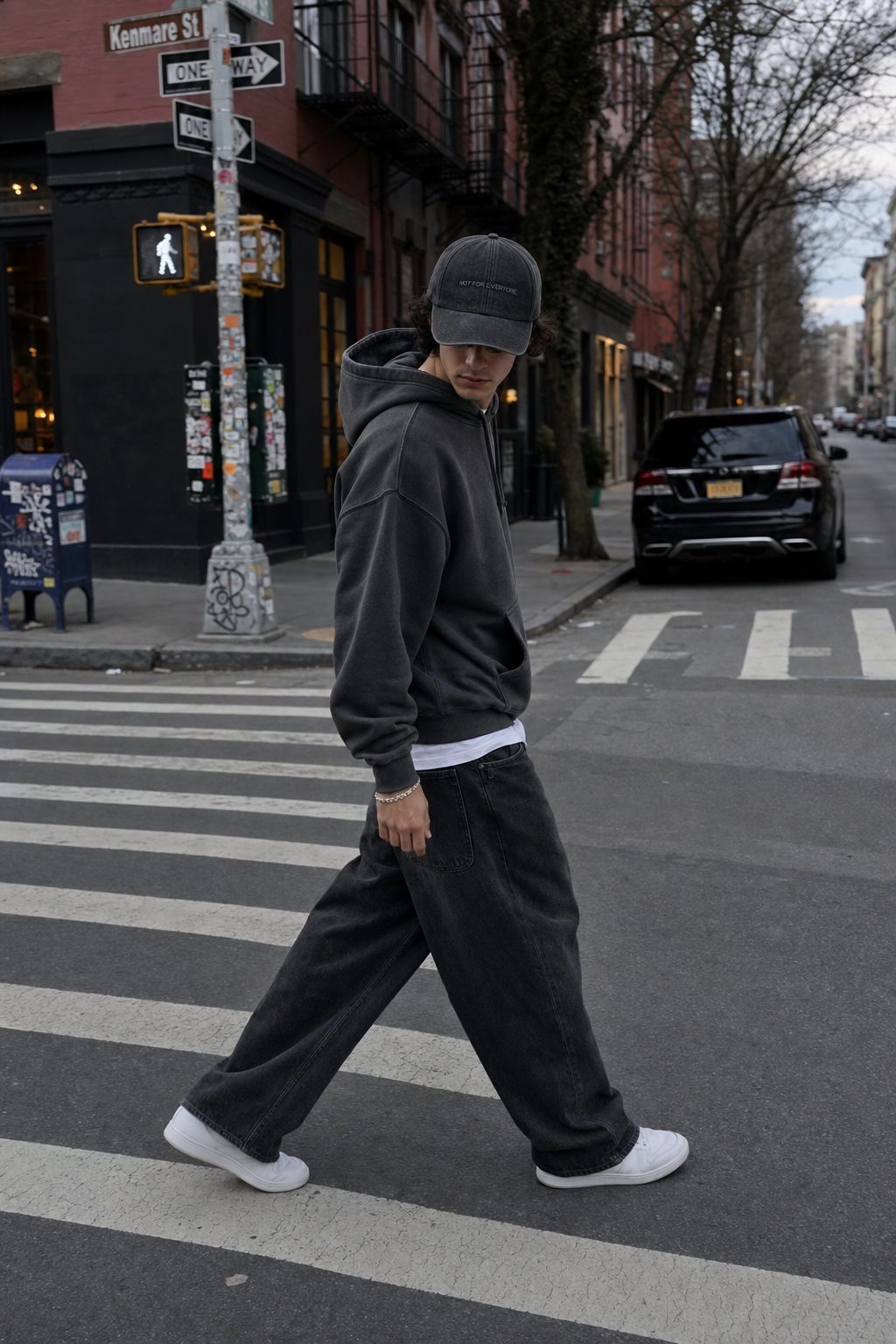
Article: 5-Panel Cap: What It Is and Who It's Actually For
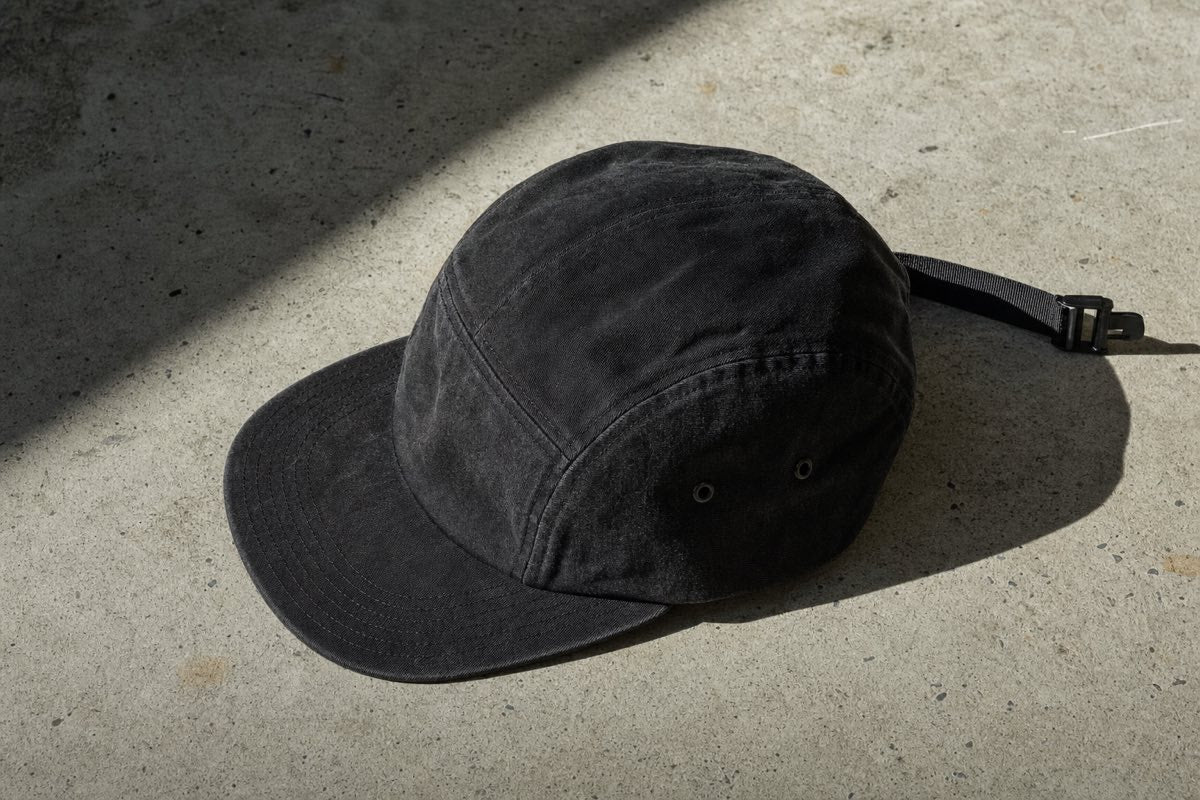
5-Panel Cap: What It Is and Who It's Actually For

TL;DR: A 5-panel cap is cut from one uninterrupted front panel, two side panels and two back panels, so no seam runs down the centre of the forehead. It sits lower and flatter than a 6-panel baseball cap and is usually softer in the crown. The silhouette comes from utility and cycling headwear, not from sport. KRWN DISTRICT does not make 5-panel caps. We build structured 6-panel baseball caps and truckers. So this guide tells you what to check before you buy one elsewhere.
What is a 5-panel cap?
A 5-panel cap has a crown cut from five pieces of fabric: one continuous panel across the front, two side panels and two at the back. Because the front is a single piece, no seam runs down the centre of the forehead. That one detail drives everything else.
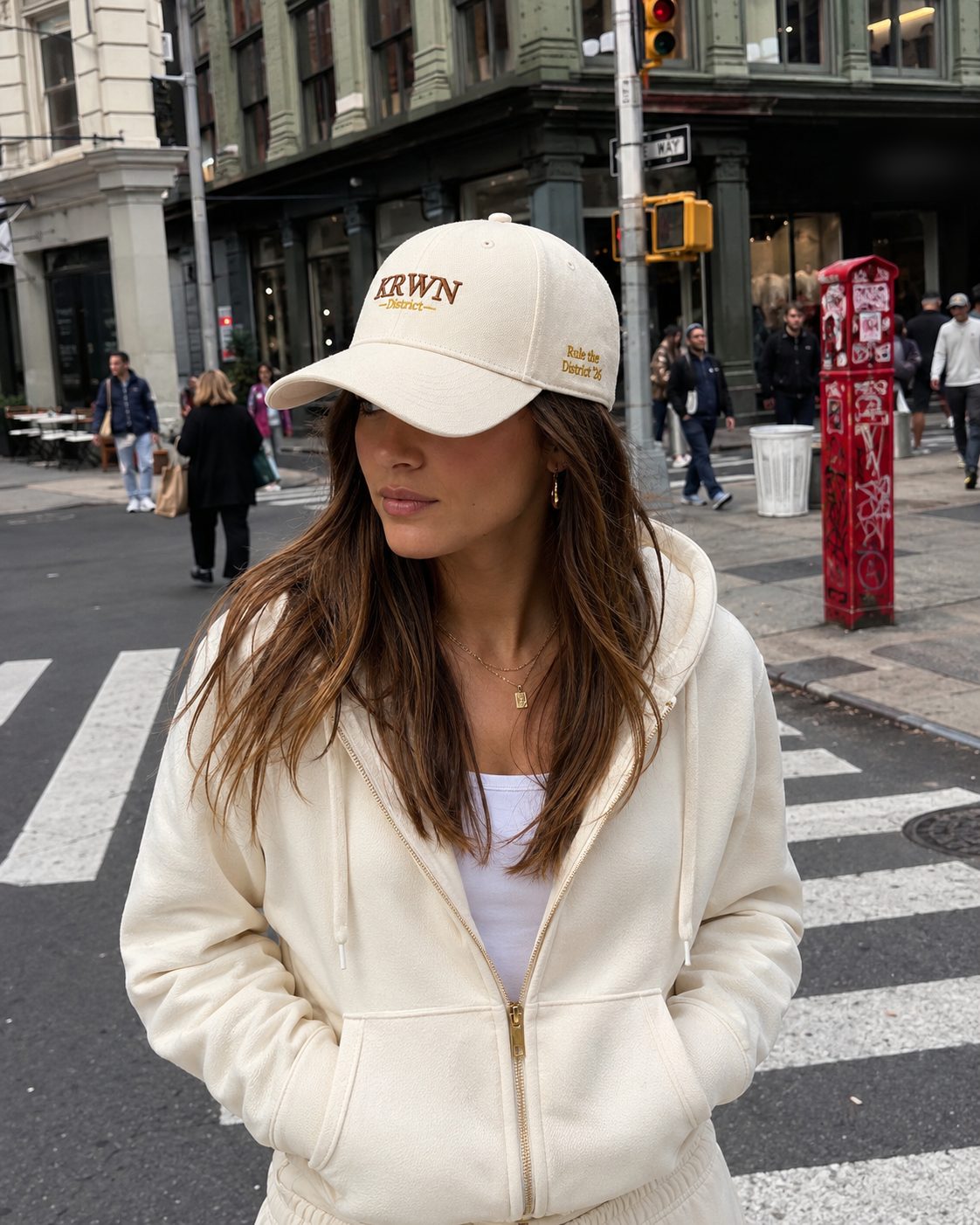
A 6-panel crown is sewn from six sections, so two panels meet in the middle of the front and the seams converge at the top, usually under a fabric-covered button called a squatchee. Most 6-panels also carry a stiffening layer behind the front panels, traditionally buckram, so the crown stands up and holds embroidery cleanly. Eyelets or metal grommets sit near the top of each section for ventilation.
Practical translation: a 5-panel sits low and close, a 6-panel taller and firmer. Neither is more premium. Different patterns, different briefs.
5-panel vs 6-panel vs trucker: the real differences
1. The front seam
The only difference that is always true. One clean front on a 5-panel, a centre seam on a 6-panel. Everything below is a tendency.
2. Crown height and structure
5-panels are typically unstructured or lightly structured: the crown collapses when you take the cap off. Structured 6-panels keep their shape on the shelf. That is a design decision, not a quality signal. It does decide whether a front embroidery reads sharp or wrinkles.
3. The visor
5-panels usually run a short, flat or barely curved visor. Baseball caps run longer and often pre-curved. Both use a sewn-in stiffener, normally paperboard or plastic, which is why neither belongs in a washing machine.
4. Where the trucker sits
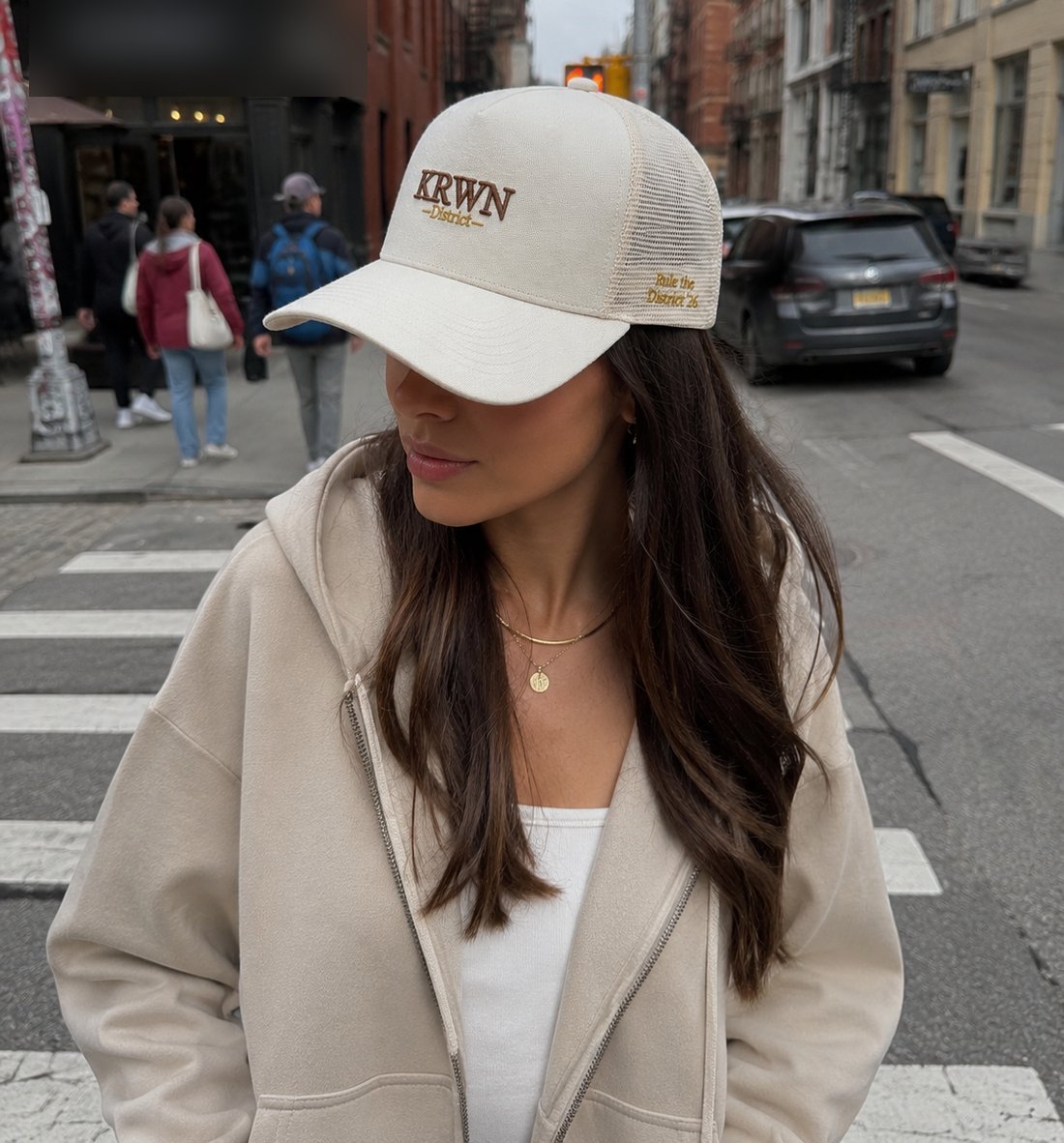
Closer to the 6-panel: six roughly triangular gores, a foam front that stands upright, a mesh back for airflow, a snap or hook-and-loop strap. It solves heat with mesh instead of a lower crown. Full comparison in trucker cap vs baseball cap.
Where the 5-panel silhouette comes from
Field caps
The flat-topped, short-visored utility cap has a long military record. The US M1943 field cap arrived in 1943, US Army Rangers gave the shape the name patrol cap around the Korean War, and it returned in 1981 with the M81 battle dress uniform.
Cycling caps
The other ancestor is the casquette: a peaked cotton cap worn by road cyclists, with a small brim against sun and rain. It moved from the peloton into city wardrobes across Europe, the US and Australia as a fashion item.
Skate shops in the nineties
The silhouette reached streetwear through skate retail. Supreme opened in Manhattan in April 1994 as a skate shop, and its first artist collaboration that year produced hand-painted caps. Worth saying plainly: the timelines that credit one brand with inventing the 5-panel do not hold up. It is a cutting pattern, not a patent.
Who a 5-panel actually suits
Head shape and hair
A 5-panel hugs the skull. Flattering if you want the cap to sit quietly and disappear into the outfit. Less forgiving with a lot of hair, or if you want visual height. A structured crown adds presence. A soft 5-panel removes it.
The outfit it belongs to
5-panels read best with technical outerwear, workwear and skate-leaning fits: shell jackets, carpenter pants, loose denim. Put one with tailoring and it fights the outfit. Our fit guide on snapback, adjustable and fitted covers sizing.
What to check before you buy one
Fabric
Cotton twill, canvas and ripstop nylon behave differently. Canvas holds a shape and ages with character. Nylon stays flat and dries fast. Thin polyester twill on a soft crown is where weak 5-panels give themselves away: no structure to hide behind.
The sweatband
Cotton twill, stitched in, not glued. It touches your forehead every day and is the first part to fail on a low-cost cap.
Closure and finish
Check the strap hardware and the stitch rows on the visor. Dense, even rows mean a controlled visor. Loose rows mean it waves within a season. Our premium cap buying guide covers the rest.
Why KRWN DISTRICT does not make a 5-panel
We make structured 6-panel baseball caps and trucker caps. That is the whole catalogue, and it is deliberate.
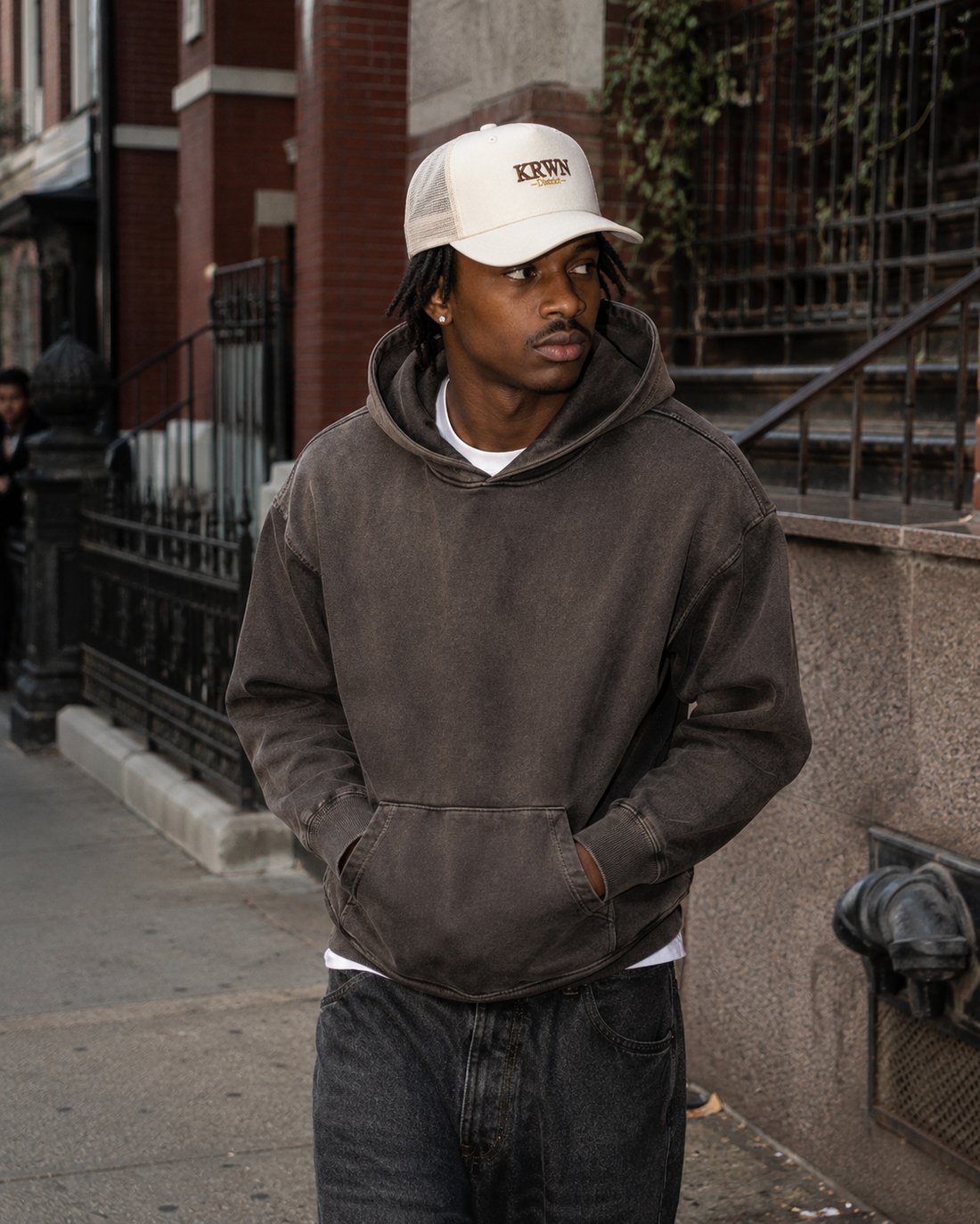
Our caps are built in heavy cotton canvas with a reinforced front panel, a cotton twill sweatband and raised-thread front embroidery. That combination needs a crown that stands. A proper 5-panel is the opposite discipline: soft, low, quiet, front left mostly bare. As a side project it would come out worse than the caps from labels who build nothing else.
The honest version: if you want a 5-panel, we are the wrong shop. If you want a structured cap in heavy cotton canvas with an embroidered front that stays sharp, that is what sits in our baseball cap collection.
KRWN DISTRICT was founded in 2026 in Germany. Every drop is limited and never restocked. Our caps run 54 to 60 cm with an adjustable closure.
FAQ: 5-panel caps
What is a 5-panel cap?
A 5-panel cap is cut from five pieces of fabric: one continuous front panel, two side panels and two back panels. Because the front is one piece, there is no seam down the centre of the forehead. It sits lower and flatter than a 6-panel cap.
What is the difference between a 5-panel and a 6-panel cap?
A 6-panel crown is sewn from six sections, so two panels meet in the middle of the front and the seams converge under a fabric-covered button called a squatchee. A 5-panel has no front seam and often no button. The 6-panel is usually stiffened and stands taller, the 5-panel softer and lower.
Who does a 5-panel cap suit?
People who want a low, close-fitting profile and a quiet front with little or no embroidery. It works with technical outerwear, workwear and skate-leaning fits. If you want crown height or a sharp embroidered front, a structured 6-panel is the better call.
Are 5-panel caps still worn in 2026?
Yes, but as a niche silhouette rather than a default. The volume in premium streetwear headwear sits with structured 6-panel caps and truckers. The 5-panel survives because it does something the others do not: it disappears on the head.
How do you wash a 5-panel cap?
By hand, in cool water, with a soft brush on the sweatband, then air-dried in shape. A soft 5-panel has less internal stiffening than a structured cap, but a paperboard visor stiffener will still warp in a machine.
Does KRWN DISTRICT make 5-panel caps?
No. KRWN DISTRICT builds structured 6-panel baseball caps and trucker caps in heavy cotton canvas, designed in Germany and released in limited drops without restock. If you want a 5-panel, buy from a label that builds them properly.
Stay Real. Own your District.
Limited drops, no restock. See what is currently available.
About KRWN DISTRICT
KRWN DISTRICT is an independent premium cap label from Germany, founded in 2026. Every cap is released as a limited edition in heavy cotton canvas, designed in Germany, in structured 6-panel and trucker silhouettes. No restock: each drop is a closed chapter. Ships to Germany, selected EU countries, Switzerland and the US.
Author: KRWN DISTRICT Editorial Team. About us · @krwndistrict